

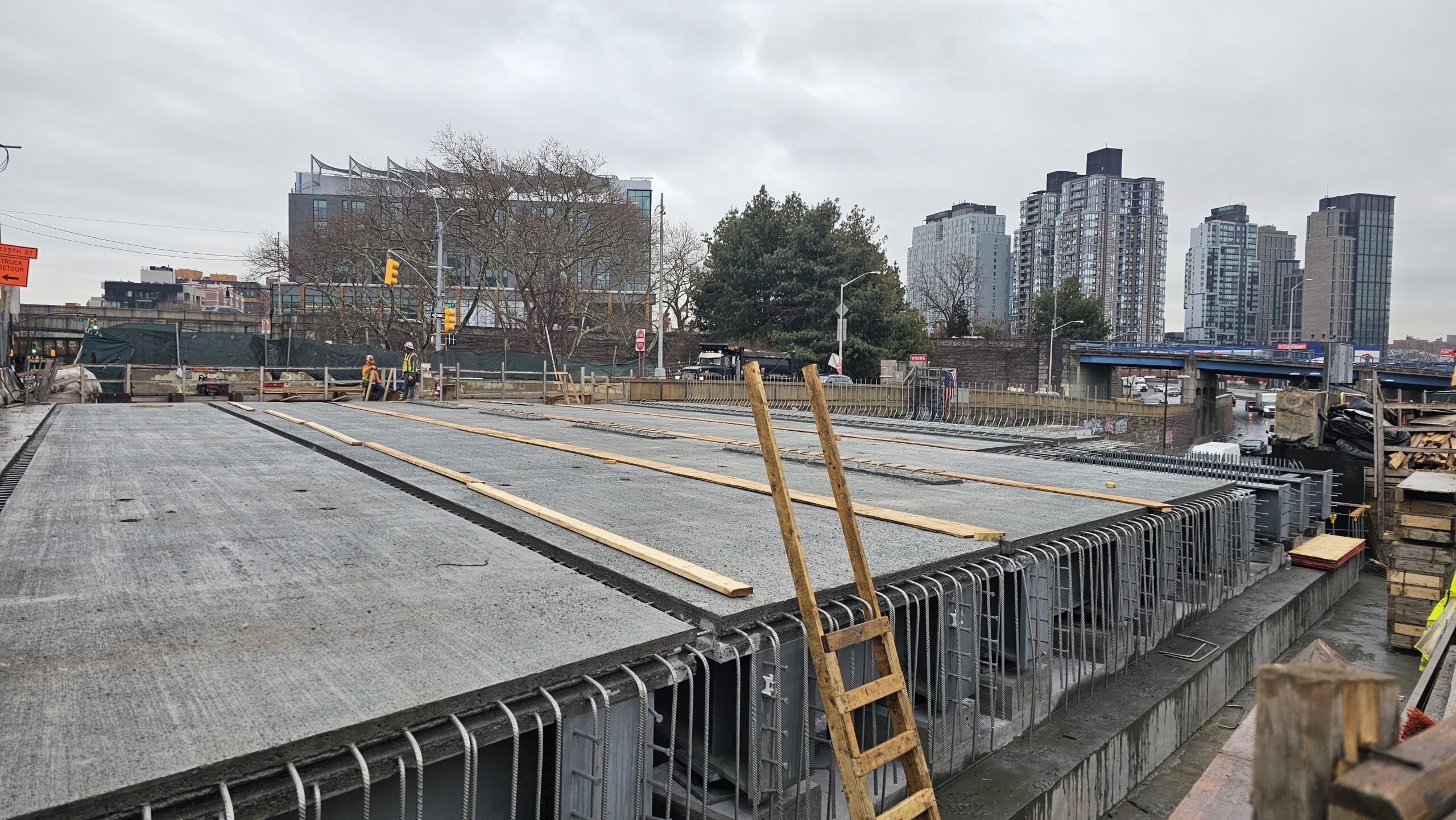
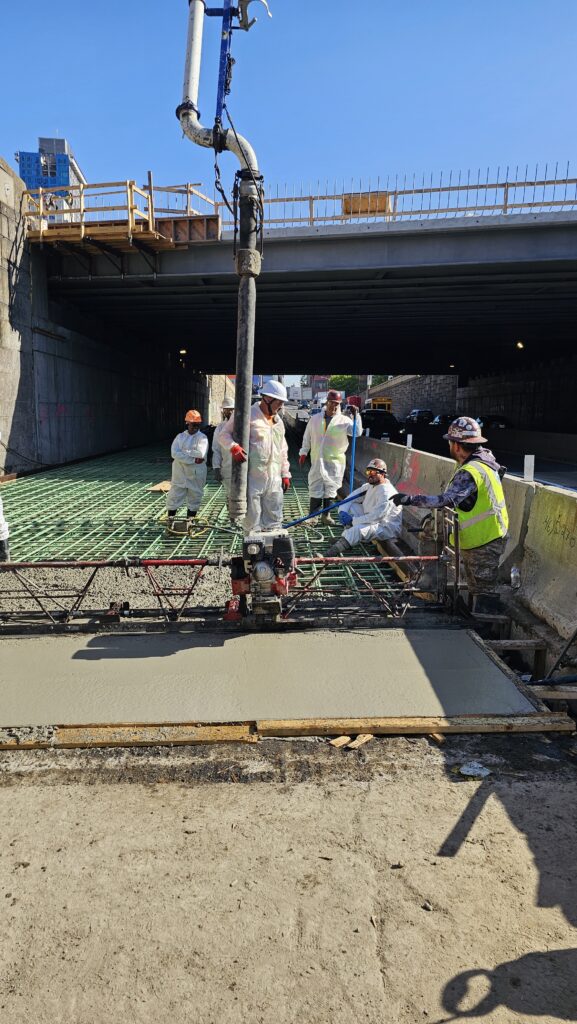
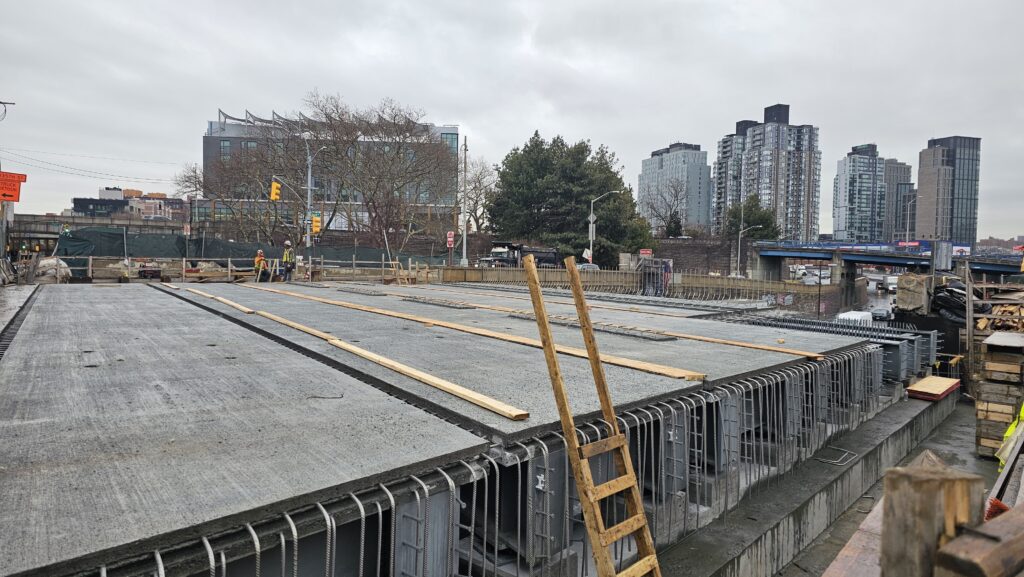
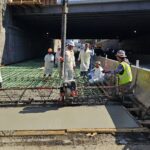

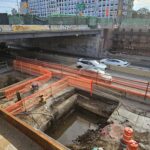
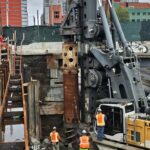

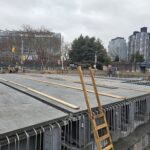
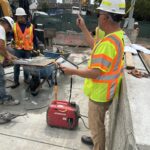
The East 138th Street Bridge project in the South Bronx is the replacement of a critical transportation link within New York City’s infrastructure network, carrying approximately 150,000 vehicles daily between Manhattan and the Bronx. Originally constructed in 1938, the existing structure consisted of two 37-foot riveted plate girder spans supported by an unusual steel substructure system that had reached the end of its useful service life.
The project represents a unique intersection between the challenges of incomplete historical records and the opportunities created by modern digital construction management.
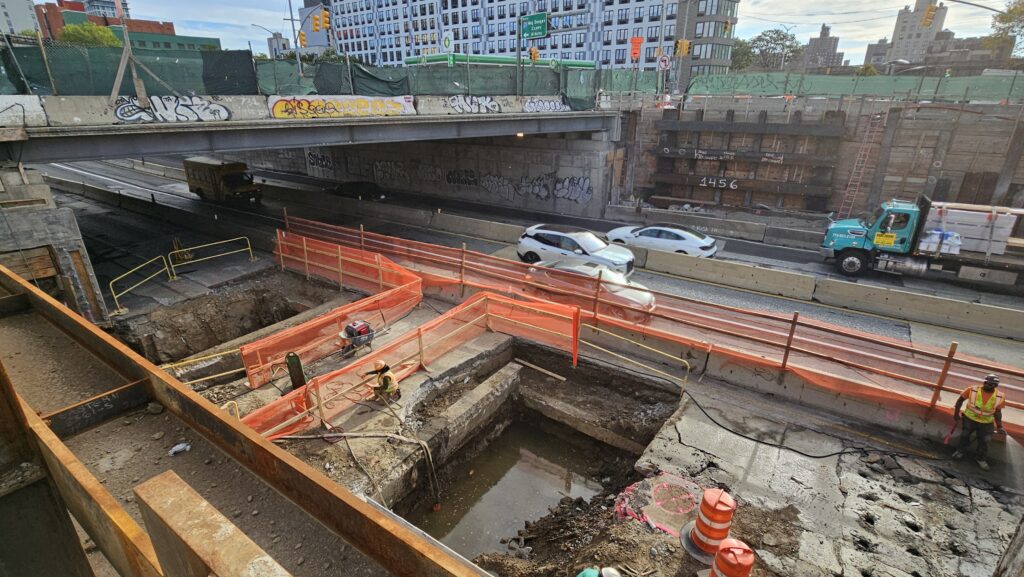
One of the most significant challenges encountered on the project stemmed from the near-total absence of historical design information related to the existing substructure. During the design phase, only a single as-built drawing sheet was available for review, and neither field probing nor excavation investigations could be performed because of the bridge’s location and the presence of critical underground utilities. As a result, the true configuration of the foundations and support systems remained largely unknown until demolition operations began.
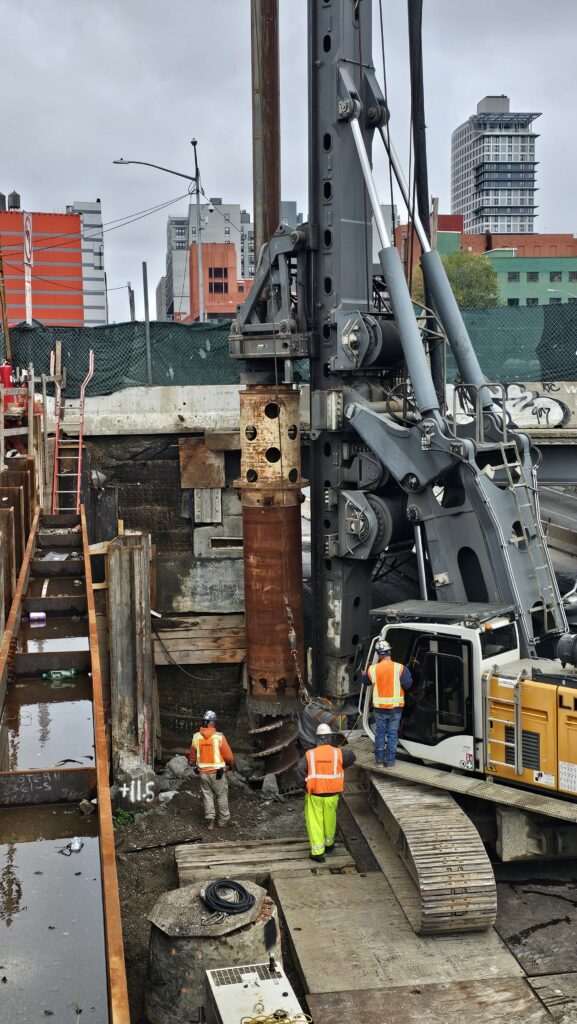
Once the structure was uncovered, the project team discovered a highly unconventional substructure system consisting of concrete-encased structural steel members supporting the abutments and center pier. King piles founded on rock were connected by grade beams and vertical steel columns, all encased in concrete. Battered piles installed at approximately 45-degree angles resisted lateral earth pressures, while specially spaced structural elements were used to avoid interference with a nearby New York City Department of Environmental Protection (DEP) box culvert. In several locations, transverse steel beams extended beneath the roadway to support both the roadway slab and the center pier. The lack of historical documentation required the construction and design teams to continually adapt as previously unknown conditions were exposed in the field.
These unforeseen conditions contributed directly to the $65.4 million project’s complexity, primarily related to extensive support of excavation measures required around the DEP utility structures, and the need to redesign certain construction operations as hidden conditions were encountered. Construction began on September 2, 2021, and final completion is anticipated in October 2026.
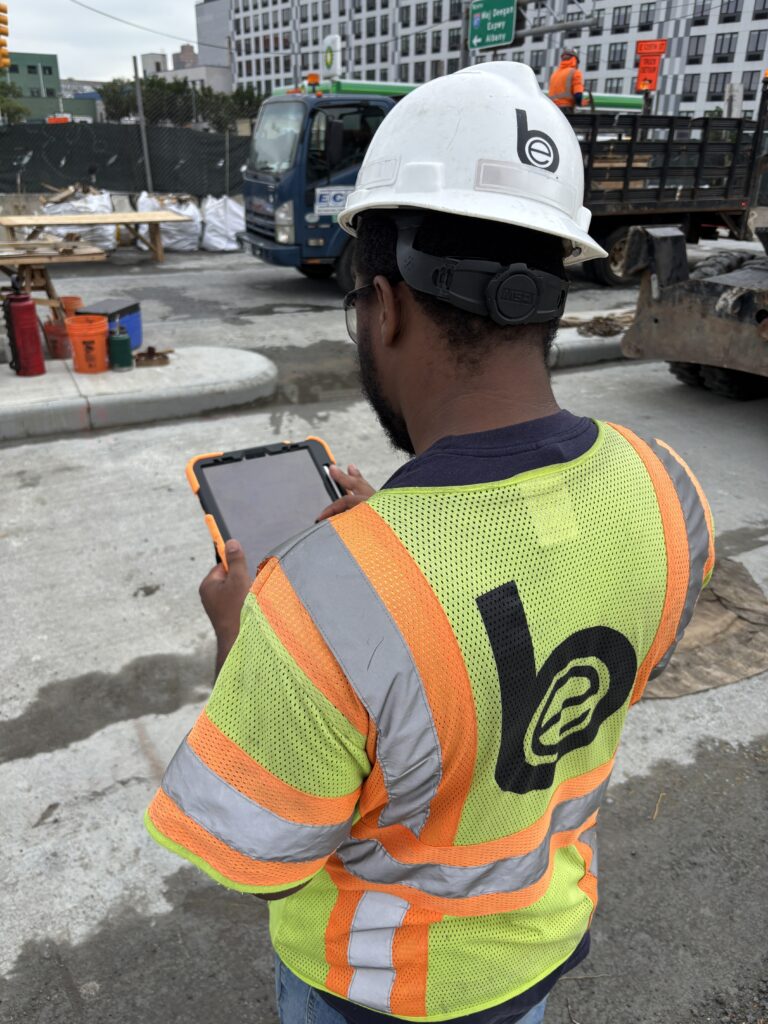
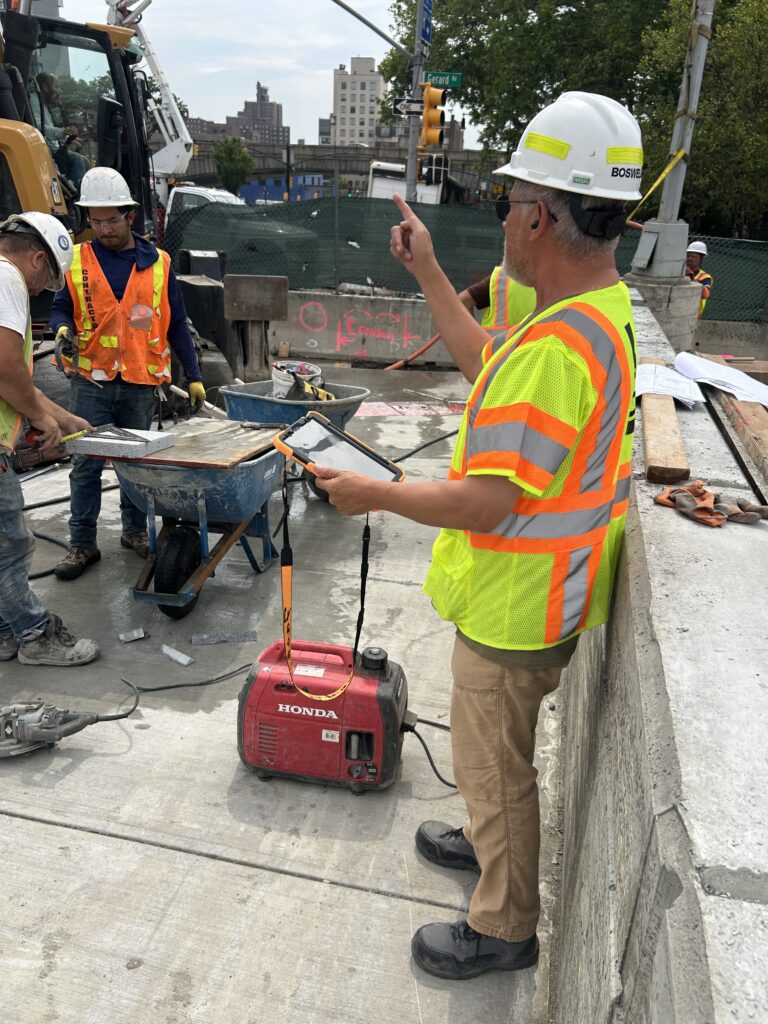
While the absence of paper records from the original 1938 construction created significant challenges, the project also highlights how modern digital project delivery methods are transforming the industry. Unlike the original bridge, whose paper documentation was largely lost over time, the replacement structure is being constructed using a comprehensive digital documentation approach. Construction records, inspection reports, shop drawings, requests for information, survey data, and daily project coordination are all maintained electronically, creating a permanent and easily accessible digital archive for future engineers and owners.
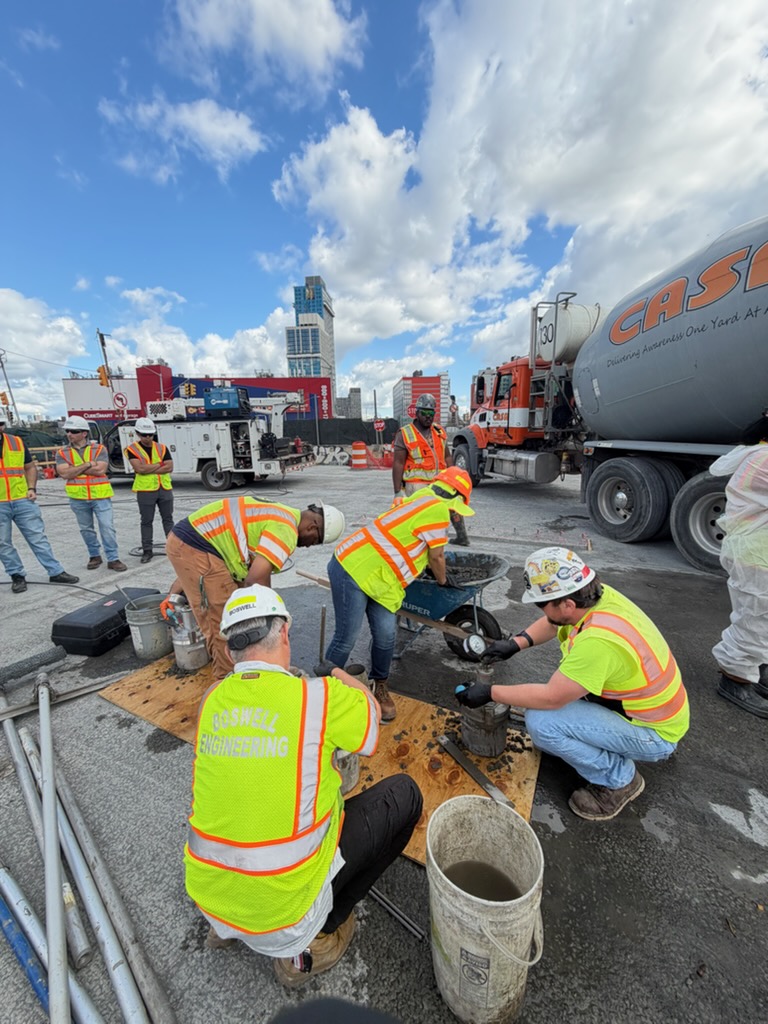
Boswell, in partnership with Naik Consulting, is providing construction supervision services for the project, including resident engineering, inspection, and construction administration. The project demonstrates both the risks associated with incomplete historical documentation and the long-term value of modern digital recordkeeping. In many ways, the East 138th Street Bridge project serves as a transition point between two eras of infrastructure delivery: one defined by limited paper records and unknown conditions, and another built upon fully integrated digital project management and preservation.
Written by Rod Simon, P.E. and Brent Van Zandt, P.E. with Al Kahwaty